
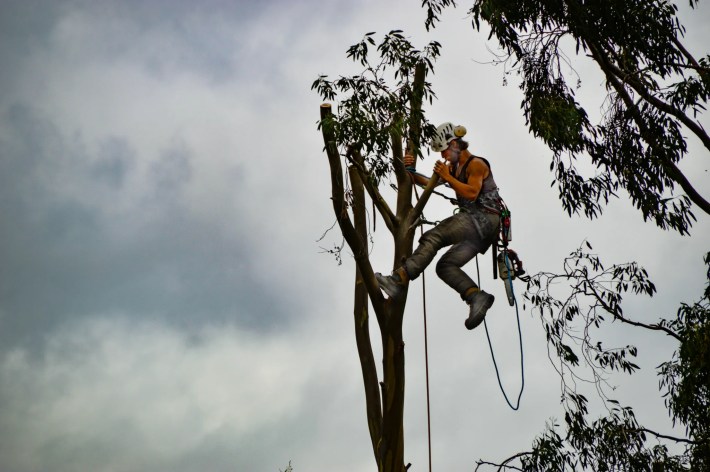
Got a problem tree, a tight backyard, and more questions than answers? You’re not alone. When it comes to tree removal Dubbo, or anywhere else for that matter, homeowners often face the same mix of uncertainty, from safety concerns to cost, timing, and what happens after the tree is gone. This guide explains what tree removal entails, when it’s necessary, and the steps to ensure the job is safe, compliant, and environmentally responsible.
What Tree Removal Involves
Removing a tree is more than just cutting it down. It’s a controlled process that takes into account the tree’s condition, nearby structures, and environmental factors. Common reasons for tree removal include:
- Structural instability caused by storm damage or decay
- Root systems interfering with foundations, plumbing, or paving.
- Overhanging branches pose hazards and shade roofs and solar panels.
- Trees that have outgrown their space or become invasive
Sometimes, complete removal isn’t required. Strategic pruning, dead-wooding, or bracing may extend a tree’s safe life and preserve shade or habitat. A qualified arborist can help decide whether removal or maintenance is the best option.
How To Decide Between Pruning And Removal
When considering whether to remove or retain a tree, three main factors come into play:
1. Risk: Look for signs like cracks, cavities, fungal growth, or tilting trunks. These can indicate potential failure points.
2. Target: If the tree could fall onto a home, driveway, or utility line, the risk threshold should be lower.
3. Value: Trees offer benefits — shade, privacy, beauty, and wildlife habitat. If these outweigh the risks, maintenance may be the better route.
Whenever in doubt, request an arborist’s written report. It can prevent unnecessary removals and support any required permits or insurance documentation.
Understanding Regulations And Safety
Tree removal is often subject to local regulations that protect significant trees and maintain ecological balance. Depending on where you live, particular species may be protected or require permission before removal. Typical exemptions include dead or dangerous trees and minor pruning within defined limits.
It’s always best to check the latest local guidelines before booking any work. Professional arborists usually manage this process for clients, ensuring compliance and avoiding costly penalties.
Wildlife protection is another essential consideration. Many native birds, bats, and other species nest or roost in tree hollows. Before removing or pruning, a pre-inspection should confirm that no active nests or habitats will be disturbed. Ethical and compliant operators will reschedule or work in stages if wildlife is found.
Safety And Professional Practices
Tree removal is one of the most hazardous property maintenance tasks. The process demands experience, training, and specialized equipment. Depending on the site, professionals may use:
- Rigging systems for lower branches safely
- Elevated work platforms where climbing isn’t suitable
- Ground protection mats to preserve lawns and driveway
DIY tree felling is rarely advisable. Without the right skills and gear, the risk of injury or property damage is high. Reputable arborists carry public liability insurance and workers’ compensation — always ask to see certificates before work begins.
Costs And Factors That Influence Pricing
The cost of tree removal dubbo (or similar professional work elsewhere) can vary significantly depending on several factors:
- Size and species: Large hardwood trees are heavier and more complex to remove.
- Condition: Dead or storm-damaged trees are unpredictable and require extra safety precautions.
- Access: Narrow side gates, slopes, or fences may require additional rigging or smaller machinery.
- Proximity to hazards: Homes, sheds, glass structures, and powerlines all affect planning and insurance.
- Additional services: Stump grinding, waste removal, and permit handling may add to the total.
Smaller jobs can be relatively affordable, while larger or more complex removals can cost several thousand dollars. Always request an on-site quote — photos alone rarely tell the full story.
Choosing The Right Arborist
Professionalism matters. Look for arborists with relevant qualifications (such as AQF Level 3 or higher), proper safety tickets, and up-to-date equipment. They should also provide references or photos of similar work.
Before booking, ask key questions:
- Do they handle any necessary permits?
- Is stump grinding and waste removal included?
- How will they protect surrounding gardens or structures?
- What happens if the weather delays the job?
- Can they leave mulch or logs for you to reuse?
Clear communication upfront prevents misunderstandings later.
Aftercare And Replanting
Once a tree is removed, the work isn’t over. Stump grinding is recommended to prevent regrowth and discourage pests like termites. After grinding, it’s best to level the area, add high-quality soil, and allow the ground to settle before replanting.
If replanting, consider choosing the right tree for the right space. Look for species suited to your soil and climate, and allow adequate distance from structures and driveways. Smaller, well-positioned trees provide long-term benefits — shade, privacy, and habitat — without future risks.
Final Thoughts
Tree removal should always be approached with care and planning. It’s not just about removing a hazard, but about managing your landscape responsibly. By engaging a qualified arborist, following local regulations, and planning for replanting, homeowners can ensure their outdoor spaces remain safe, functional, and beautiful for years to come. A thoughtful approach to tree removal not only protects property but also contributes to a healthier, more sustainable environment.

 A News Attitude